Dubai Police AI Traffic System — What Every Driver Must Know Now


 April 6, 2026 10:02 am
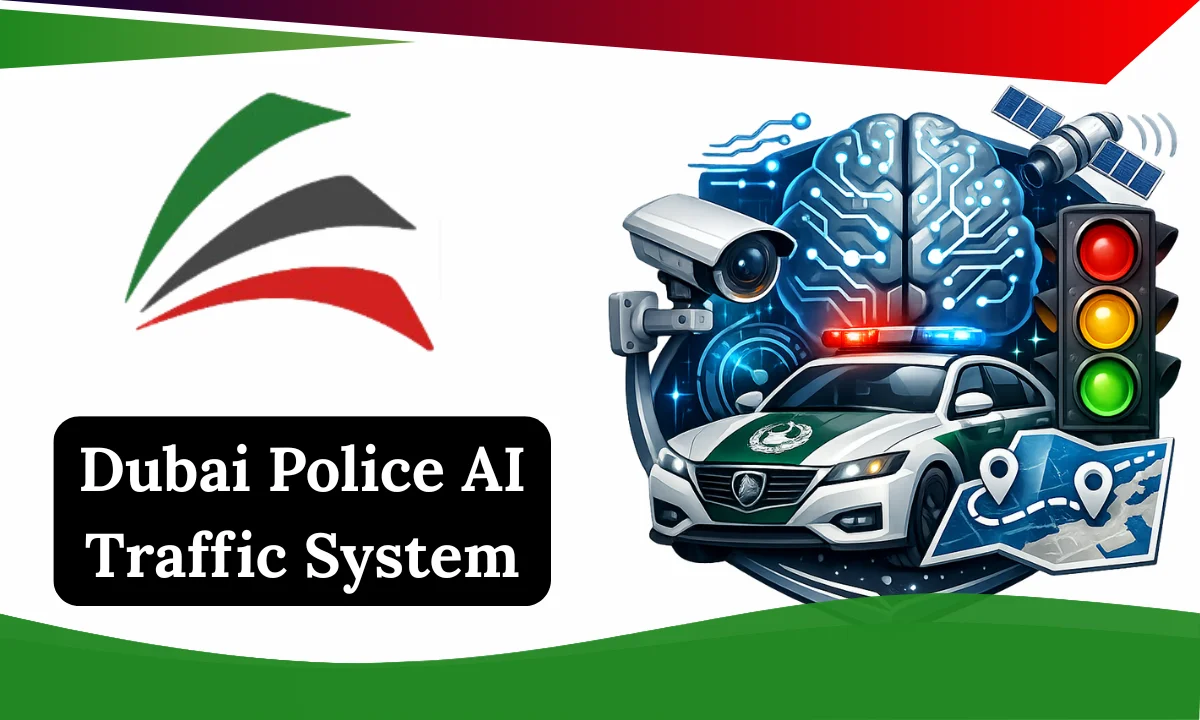
The Dubai Police AI traffic system went live across the city’s busiest roads, and most drivers did not notice the shift. Thousands of camera frames scan every second, flagging dangerous behaviour automatically no patrol car needed, no officer required to be in the right place at the right time.
Five violations now trigger instant detection, fines move through standard channels, and the grace period is over. If your driving habits have been loose, this is the moment to tighten them up.
Dubai Police AI Traffic System Just Went Live on Your Commute
The system is fully operational across Dubai’s busiest corridors, feeding live feeds into algorithms that never sleep, never get distracted, and never miss a frame. Here is what changed overnight:
- Automatic detection is active for five specific violations
- Camera coverage spans high-traffic corridors citywide
- Fines process through existing standard channels
- No trial period the system is live and enforcing now
The five violations now under automatic watch:
| Violation | Risk It Creates |
|---|---|
| Not wearing a seatbelt | Fatal injury risk in collisions |
| Using a phone while driving | Drifting, phantom braking, delayed reaction |
| Blocking traffic flow | Bottlenecks, ripple congestion |
| Stopping in a live lane | Blocks emergency vehicles, forces dangerous swerves |
| Tailgating | Rear-end crashes, lane closures during peak hours |
If you have been checking WhatsApp at red lights or skipping the buckle for short trips around the neighbourhood, that grace period quietly expired. The cameras are rolling, the algorithms are learning, and the fines are real.
Why Dubai Police Built This Now
Old-school road policing had one structural weakness officers could only catch violations when they happened to be present. The Dubai Police AI traffic system was built to close that gap permanently.
How the old system worked:
- Patrols covered fixed zones at fixed times
- Violations in unmonitored corridors went undetected
- Reactive responses meant damage was already done before enforcement began
How the new system works:
- Cameras capture video continuously across junctions and corridors simultaneously
- Algorithms scan every frame for risky behaviours in real time
- Timestamps link directly to number plates automatically
- Evidence bundles go to back-office review before any penalty is issued
- Humans still verify final cases no fully automated punishment loop exists yet
Repeat hotspots that used to generate pile-ups are now flagged before the damage happens. The net is wider, the detection is faster, and the gap between dangerous behaviour and consequence has shrunk dramatically.
The Five Behaviours It’s Hunting
Crash data tells a story that personal choice tends to ignore. Each of these five behaviours sits at the root of most gridlock, most injuries, and most of the risk on Dubai’s network.
Seatbelt skipping
A short drive feels low-risk until crash data says otherwise. Seatbelts are the single most effective passive safety tool in any vehicle, and skipping one for a neighbourhood run is exactly the kind of habit this system was built to catch.
Mobile phone use while driving
Phone use creates drifting, phantom braking, and split-second delays that turn near-misses into full collisions. The hand holding the phone is the hand that should be on the wheel.
Obstructing traffic flow
Bottlenecks stretch back kilometres from a single obstruction point. Dangerous swerves multiply, emergency vehicles get blocked, and what started as one driver’s poor decision ripples across the entire network.
Stopping in a live lane
Stopping without cause in a moving lane forces every driver behind to react instantly. Emergency vehicles lose seconds they cannot afford to lose.
Tailgating
Closing the gap to the bumper ahead compresses reaction time to near zero. Small mistakes become rear-end crashes. Rear-end crashes close carriageways during peak hours and generate injuries that ripple far beyond the two vehicles involved.
Remove these five behaviours at scale, and road capacity improves without pouring concrete for a single new interchange.
How It Actually Works
The process is straightforward, fast, and built with a human checkpoint at the end.
| Stage | What Happens |
|---|---|
| Detection | Cameras in high-risk zones feed video into computer vision models |
| Identification | System spots unbuckled driver, raised phone, or dangerously close bumper |
| Evidence capture | Timestamp, plate, video clips, and location data are assembled automatically |
| Human review | Back-office team verifies the violation meets legal standards |
| Notification | Fine arrives with time, place, and recorded behaviour attached |
| Dispute | Standard appeal routes through official channels remain available |
The evidence package is reviewable online. Nothing bypasses the human verification layer, and disputes follow the same process drivers already know. The difference is the detection speed and coverage feeding the pipeline operating at a scale no roadside officer could match.
Where You’ll Feel It First
Deployment is concentrated where speed meets volume and small mistakes compound fastest.
Phase 1: Active now:
- Sheikh Zayed Road
- Key interchanges and merge zones
- High-volume busy arterials
Phase 2: Following calibration:
- School zones
- Mall exits
- Secondary corridors
Deployment timings adjust around season, weather patterns, and special events rather than following a rigid fixed schedule. Camera placement will shift as real-world patterns reveal where hotspots migrate or new risks emerge. Public dashboards showing aggregate data may follow as the system matures, giving drivers visibility into where and why enforcement concentrates.
What Changes for Drivers Today
Uniform enforcement removes something random patrols never could — blind spots and roadside debates. Every driver at every monitored location faces identical rules with identical consequences.
What improves on the road:
- Steadier speeds across monitored corridors
- Cleaner lane discipline from consistent detection
- Fewer brake slams caused by distracted drivers
- Less congestion as transport planners use clean data to fix trouble early
What stays the same:
- Fine notification process
- Appeal and dispute routes
- Human verification before any penalty is issued
Back-office teams run spot-checks on samples to monitor drift and bias. Cameras stay strictly trained on carriageways and shoulders within defined offence definitions — nothing outside that scope is evaluated.
For Fleet Managers and Delivery Teams
Update driver briefings before the next shift goes out. The Dubai Police AI traffic system has zero interest in your margins or your deadlines — it flags the behaviour, assembles the evidence, and issues the fine.
Immediate actions to take:
- Seatbelts must click before any journey starts — no exceptions for short runs
- Phones must stay completely off hands the moment wheels turn, including at traffic lights
- All calls and map checks belong in a lay-by, not in a moving lane
- Build real spacing into delivery schedules to remove the pressure that encourages tailgating
Longer-term steps:
| Action | Purpose |
|---|---|
| Review telematics data regularly | Coach drivers before violations happen |
| Update driver briefings | Align team behaviour with new enforcement reality |
| Build schedule buffers | Remove the time pressure that drives risky behaviour |
| Monitor fine notifications | Catch patterns early before they become costly habits |
The only variable your team controls is whether the behaviour happens at all.
For Parents and New Drivers
Before anyone touches the ignition, the rules need to be completely clear.
Pre-drive checklist:
- Seatbelt on before music starts
- Navigation set before the car moves
- Safe following distance planned from the start
- Exit route identified if something goes wrong on a live lane
What new drivers specifically need to understand:
The old strategy of “just don’t get caught” no longer works inside coverage zones. The cameras do not get tired, distracted, or forgiving. Space between vehicles is not wasted time — it is safety converted into distance, and physics works in your favour at any speed when you hold it.
If nerves kick in or something goes wrong, exit the live lane safely and stop rather than freezing in traffic and creating a second problem.
Will This Actually Reduce Traffic Jams
Yes — if drivers respond to the incentives rather than testing the enforcement edges.
Why these five behaviours cause jams:
| Behaviour | How It Creates Congestion |
|---|---|
| Phone use | Drifting and phantom braking send ripple effects backwards through traffic |
| Tailgating | Collapses the buffer that absorbs mistakes, turning minor errors into pile-ups |
| Random stopping | Destroys throughput and kills flow across entire networks |
Strip those behaviours out at scale and road capacity rises without new tarmac, new interchanges, or new infrastructure spending. The shift from reactive enforcement to preventive pattern detection means incidents get anticipated rather than just recorded. Collision rates should fall and average journey times across peak periods should improve — not overnight, but steadily as the behavioural baseline shifts.
Your Quick Survival Checklist
These are not soft suggestions. They are the baseline behaviours that keep fines away — and those fines now come with video evidence.
- Seatbelt: on before the car moves, every seat, every trip, every neighbourhood run
- Phone: mounted properly and completely untouched while moving, including at lights
- Lanes: kept clear with no dwelling at kerbs unless in a designated stopping zone
- Stops: any pause longer than a few seconds belongs in a lay-by, safe bay, or exit
- Gap: two-second minimum behind the car ahead, doubled in rain or reduced visibility
Disputing a fine now requires a genuinely strong case, not a technicality. The evidence package is precise, timestamped, and attached to every notification.
The Human Story Behind the Screens
Revenue generation and automation for its own sake are the wrong frame for understanding this system. The Dubai Police AI traffic system exists because:
- Rear-end crashes injure real people and wreck vehicles families depend on
- Blocked ambulance lanes cost minutes that determine whether someone survives
- School runs and evening commutes should end at the front door, not in an emergency ward
The infrastructure here sits in the same category as seatbelts and airbags passive protection that works whether or not the driver is paying full attention in that particular moment. The cameras are active, the algorithms are learning from real driving patterns, and the habits being reshaped are the ones that were always the problem. The technology did not create the risk. It just made ignoring it significantly harder.
FAQs About Dubai Police AI Traffic System
Official Sources
- Dubai Police: https://www.dubaipolice.gov.ae/app/home
Conclusion
The Dubai Police AI traffic system has permanently changed how roads are monitored and how violations are caught. Adapt your driving habits now, stay consistent with the basics, and the fines, the risks, and the close calls simply stop being part of your daily commute.
Dubai Abulhoul Alfalasi
I am Dubai Abulhoul Alfalasi, an Emirati author, diplomat, and founder of Fiker Institute. My work focuses on global governance, diplomacy, and cultural dialogue. Through my writing, I aim to inspire thoughtful leadership. Visit my website: https://evgfinecheckae.com/ for more insights